
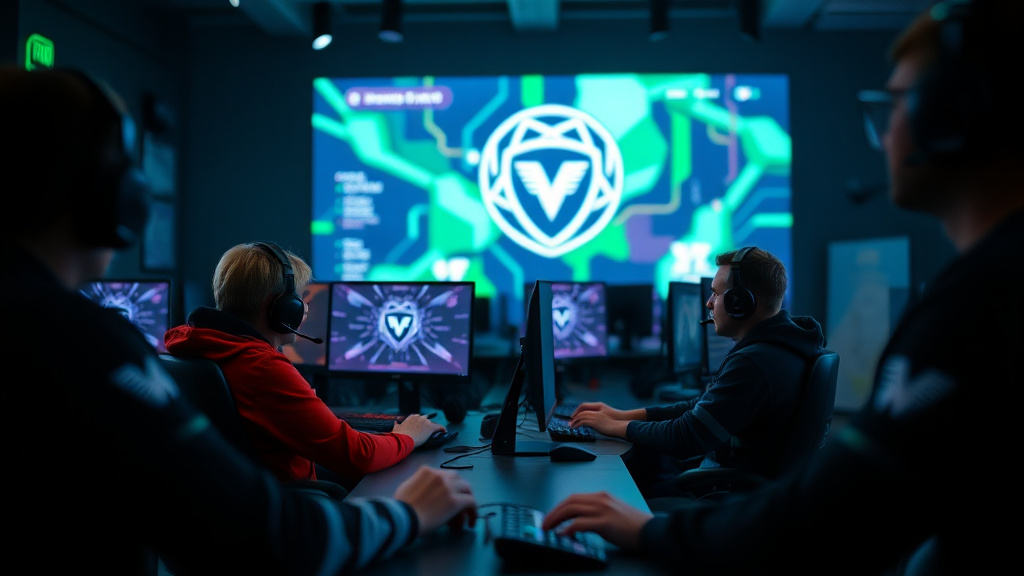
The esports industry is undergoing a substantial transformation as leading organizations acknowledge the critical significance of psychological wellness services for their professional players. Contending with unprecedented pressure, grueling practice schedules, and intense competition, esports athletes are increasingly vulnerable to psychological strain and exhaustion. In response, leading industry groups are launching extensive wellness programs, collaborating with licensed therapists and wellness experts to provide therapeutic services and guidance. This groundbreaking shift marks a pivotal moment in elevating the sport’s standards and emphasizing player wellness in conjunction with performance.
Sector Acknowledgment of Mental Wellbeing Issues
The esports industry has undergone a dramatic awakening regarding psychological challenges affecting professional players. For years, the sector focused on competitive success and financial growth while overlooking the emotional burden on athletes. However, well-publicized examples of athlete exhaustion, anxiety, and depressive symptoms have pushed companies to address an difficult reality: mental health plays a crucial role in both athlete career sustainability and performance outcomes. This realization represents a fundamental shift in how the industry considers athlete care and duty to players.
Leading esports organizations now recognize that mental health challenges are legitimate concerns but legitimate occupational hazards. Professional gamers experience intense demands from sponsorships, content creation demands, team interactions, and worldwide competition. The sedentary nature of esports, combined with irregular sleep schedules and social isolation, compounds mental health challenges. Organizations are actively allocating resources in psychological support systems, understanding that supporting player wellbeing ultimately strengthens their competitive teams and builds sustainable, thriving esports ecosystems for long-term growth and stability.
Complete Support Framework
Top esports teams are implementing comprehensive mental wellness initiatives created to tackle the specific difficulties encountered by professional players. These initiatives encompass therapy options, wellness resources, and peer support networks adapted for the competitive gaming environment. By investing in robust support infrastructure, organizations demonstrate their focus on player health and wellness and sustained career longevity. These programs understand that mental health significantly affects performance, team unity, and overall player satisfaction in professional esports.
Mental Health Counseling Support
Major esports organizations now provide connections with licensed mental health professionals who focus on assisting competitive athletes. Players receive confidential therapeutic support tackling athletic pressure, coping strategies, and individual difficulties. These services are often available through in-person and online formats, ensuring accessibility regardless of team location. Organizations work alongside psychological experts and practitioners familiar with esports-related concerns, establishing supportive environments for players to talk about mental health concerns free from judgment or professional repercussions.
The availability of expert mental health support signifies a major shift in esports culture, normalizing mental health discussions within professional esports organizations. Players benefit from evidence-based therapeutic approaches including CBT and meditation practices. Consistent therapy appointments help athletes develop coping strategies for intense competitive environments and manage the emotional demands of elite-level esports. This proactive approach reduces risk of mental health crises and supports sustainable career longevity for esports professionals.
Wellness Programs and Support Services
Full-spectrum wellness programs address physical and mental health in an integrated way, recognizing their interconnected nature in athletic performance. Organizations provide athletic coaching, nutritional guidance, and sleep enhancement initiatives designed around esports schedules. Mental wellness initiatives feature mindfulness sessions, stress-reduction seminars, and mindfulness instruction. These programs inform players about healthy living strategies that enhance mental clarity, emotional strength, and comprehensive wellness during intense competitive periods.
Esports organizations are developing dedicated wellness resources comprising online platforms, educational materials, and help services available around the clock. Players obtain mental health toolkits addressing anxiety management, preventing social isolation, and healthy relationship building. Many organizations recruit wellness coordinators who monitor player mental health trends and tailor support measures to fit individual needs. These resources establish supportive ecosystems where players experience appreciation beyond their competitive achievements.
- Mental health awareness workshops and educational seminars
- Peer support groups and community building activities
- Stress reduction and relaxation technique training
- Career counseling and professional development guidance
- Crisis intervention hotlines and emergency assistance resources
Effects on Player Well-being
The implementation of psychological wellness initiatives has already demonstrated concrete enhancements in athlete wellness across participating organizations. Players report decreased anxiety, improved sleep quality, and enhanced emotional resilience when receiving professional support. These programs foster secure settings where athletes feel comfortable addressing emotional difficulties without fear of stigma or professional consequences. Preliminary results indicates that players using mental health services demonstrate improved concentration during competitions and stronger team cohesion, ultimately leading to improved performance outcomes.
Beyond individual benefits, these programs build organizational cultures that focus on holistic health alongside competitive success. Players who receive sufficient mental health support exhibit greater job satisfaction and longer career longevity within professional esports. The acceptance of mental health discussions encourages teammates to support one another proactively, creating peer-driven wellness initiatives. Organizations adopting comprehensive mental health programs set themselves as industry leaders, drawing top talent seeking nurturing settings and demonstrating genuine commitment to player welfare beyond financial incentives.
Future Outlook and Industry Standards
As mental health assistance grows increasingly normalized within esports, industry leaders anticipate establishing extensive guidelines and best practices across organizations. The momentum generated by groundbreaking efforts will probably encourage smaller teams and emerging organizations to adopt comparable programs, fostering an environment where mental wellbeing is viewed as vital rather than optional. This shift promises to raise professional esports to greater levels of maturity and credibility.
Looking ahead, industry leaders see a tomorrow where mental health resources are as fundamental to esports ecosystems as training facilities and coaching staff. Continued collaboration between governing bodies, mental health professionals, and player associations will establish regulatory guidelines and accreditation requirements. By focusing on emotional health together with competitive excellence, the gaming industry can guarantee long-term career longevity and better workplace conditions for coming generations of competitors to come.
